🔥 “Your Fireplace Called. It Wants a Winter Glow-Up.”
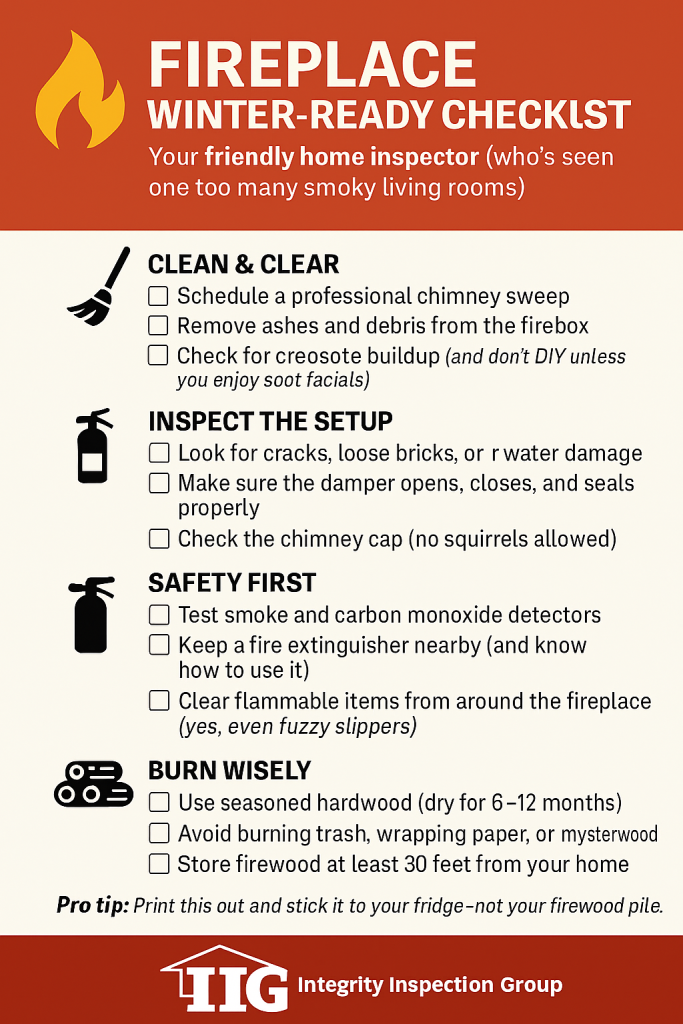
Ah, winter. The season of cozy blankets, hot cocoa, and Halloween movies or Detroit Lions games with crackling fires in the hearth in the background is here. But before you channel your inner lumberjack and toss a log into the fireplace, let’s talk about what our mission is at Integrity Inspection Group: safety. As a home inspector, we’ve seen enough chimney chaos to know that fireplaces need more than just good vibes—they need prep. Read to the end to find a checklist of things to check off when preparing your fireplace to be used for the season.
🧹 Step 1: Clean Like Your Chimney’s Life Depends on It (Because It Does)
Creosote buildup is the villain of this story. It’s a sticky, highly flammable residue that loves to cling to your chimney walls like a clingy ex. Creosote is that black sticky stuff that may be covering the walls of the inside of your fireplace. It is dangerous because a small spark may ignite the fire that could lead to a devastating chimney fire. Surprisingly, creosote is the cause of 25% of chimney fires. If you haven’t had a chimney sweep since the Harry Potter series first came out, it’s time. A professional cleaning can prevent chimney fires and embarrassing calls to the fire department.
Bonus tip: If your chimney sweep arrives singing “Chim Chim Cher-ee,” tip generously.
🕵️ Step 2: Inspect Before You Ignite
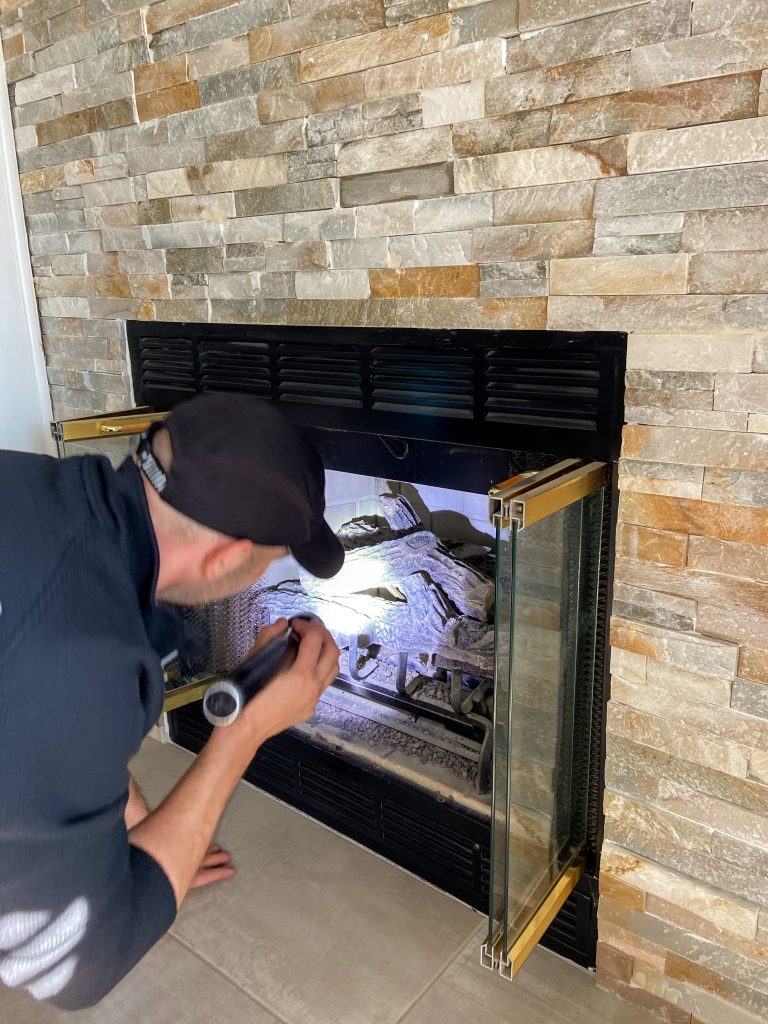
Check for cracks, loose bricks, or signs of water damage. If your fireplace looks like it’s been through a bar fight with a raccoon, call a pro. And yes, we inspect fireplaces with our home inspections—because nothing ruins a holiday party like smoke pouring into your living room. Our home inspections are limited to the space in the flue. Some are so small even a puck from a Red Wings game couldn’t fit through it.
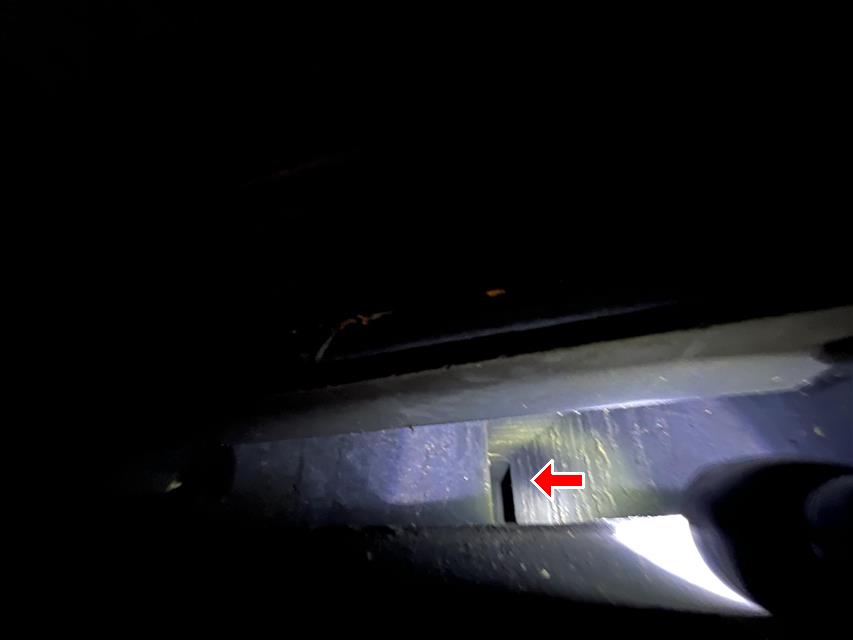
The flue opening is very small to inspect.
🧯 Step 3: Gear Up
- Install a chimney cap to keep out rain, critters, and the occasional confused squirrel.
- Check your smoke and carbon monoxide detectors. If they’re older than your favorite hoodie, replace them.
- Keep a fire extinguisher nearby. Not just for show. It’s not a decorative item.
🪵 Step 4: Burn Smart
Use seasoned hardwood. That means wood that’s been drying for at least 6–12 months. Burning fresh wood is like trying to toast a wet sponge—smoky, inefficient, and mildly tragic. A University of Maryland study found that burning wet or green wood causes creosote to accumulate three times faster than dry, seasoned wood. Excess smoke condenses into creosote up the chimney.
Avoid burning wrapping paper, pizza boxes, or anything that once said “Do Not Microwave.”
🧊 Step 5: Mind the Draft
Cold air sneaking in through your chimney? You might feel a little breeze when you put your hand under the opening. You might need a damper adjustment or some insulation help. A fireplace should warm your toes, not freeze your soul.
Final Thoughts from Your Friendly Home Inspector
A fireplace is a beautiful thing—but only when it’s safe, clean, and ready to roll. Look for thick, dark smoke, a strong acid smell or a reduced draft. Those are signs to pay attention to. So before you light that first fire, give your hearth the TLC it deserves. Your house (and your eyebrows) will thank you.
Stay warm, stay safe, and may your marshmallows be perfectly toasted—not your living room.